Why people hate online passwords

Over christmas, I was sat with my stepdad as he opened up his new Kindle and attempted to set it up (a whole other usability story!). As it asked for his Amazon password he exclaimed how he didn’t have a clue what it was but he’d find out. The next thing I know, he’s opening up a spreadsheet on his laptop full of all his passwords! There must have been 20-30 of them. He said it’s the only way he can keep track of them all.

I was at a focus group recently where discussion naturally lead onto the topic of passwords. Every single person described how frustrated they are with the increasing pressure to create ever complex passwords that they then don’t remember.

It’s clearly a heated topic amongst users but with security being a top concern for companies (and rightly so), it puts ux designers in an awkward catch 22 situation. Make the password too complex and you risk people making the very un-secure decision of writing the thing down. Perhaps even putting it on a post-it by their computer – yes this happens! 

Anyway, as it’s Friday, let’s take a funny look at how this feels from the user’s perspective. I suspect most of you have also experienced this, haven’t you? 

Why people hate passwords

Update, BBC Radio appearance and awards

bbc radio manchester

I’ve been super busy recently which you can probably tell by the infrequency of my posts. As a business, Keep It Usable, has grown phenomenally this year and we’ve been working day and night to make sure we do great work for every single one of our clients. We genuinely care about every business we work with and we deliver high quality work for every single client. It’s something I’m passionate about, especially with the growing amount of people entering the ux industry with no formal training or experience. It puts businesses at great risk and damages the ux profession as a whole.

I’m a mentor for the UXPA and I’m in great favour of a regulatory body / chartership to distinguish between different levels of professionals. It’s difficult for me to read between the lines of someones cv or other agencies claims of ux so I can’t imagine how hard it must be for someone commissioning an agency to know who to believe and trust. In fact, one of our clients had a bad experience with quite a well known ux agency. They were failing in their capacity on a number of levels including the delivery of work, so we were called upon to effectively rescue the client, takeover the work and meet the deadline which was by this point very tight. Of course we hit it, and they were incredibly pleased with the work, so much so that we’re now partners. But what is concerning with this story is that even agencies you should be able to trust, because they are well known, you can’t. It really is a minefield out there.

Awards

It’s because of our commitment to our clients that we’re going from strength to strength and I’m honoured to be shortlisted for two Women In Business Awards: SME and International business. Keep your fingers crossed for me! 🙂

BBC

I’ve also been invited as a guest on BBC Radio Manchester tomorrow morning. I’ll be choosing several stories form the days papers to chat about. I don’t have much time to watch the news these days so it should be interesting!

BBC Radio Manchester, 29th October, 6.45am and 7.22am

Listen live: http://www.bbc.co.uk/programmes/p002mwyt

How guys will use Google Glasses (Project Glass)

I just had to share with you this video on how guys might use Google Glass (or should that be glasses?) in the future. Pretty funny! Maybe we shouldn’t laugh too soon though as it may well become the future! People are distracted enough as it is, it’s just that the glasses may make the distraction harder to detect. At least right now you can see if someone’s using their mobile whilst they’re supposed to be listening to you.

I find it amazing the number of people who walk down the street looking down, eyes glued to their handset, using only their peripheral vision to navigate their way through the world. At least with Google Glasses they’ll at least start looking up once more, even if they are still not paying attention to the world around them.

Interview with Whirlpool’s UX Manager

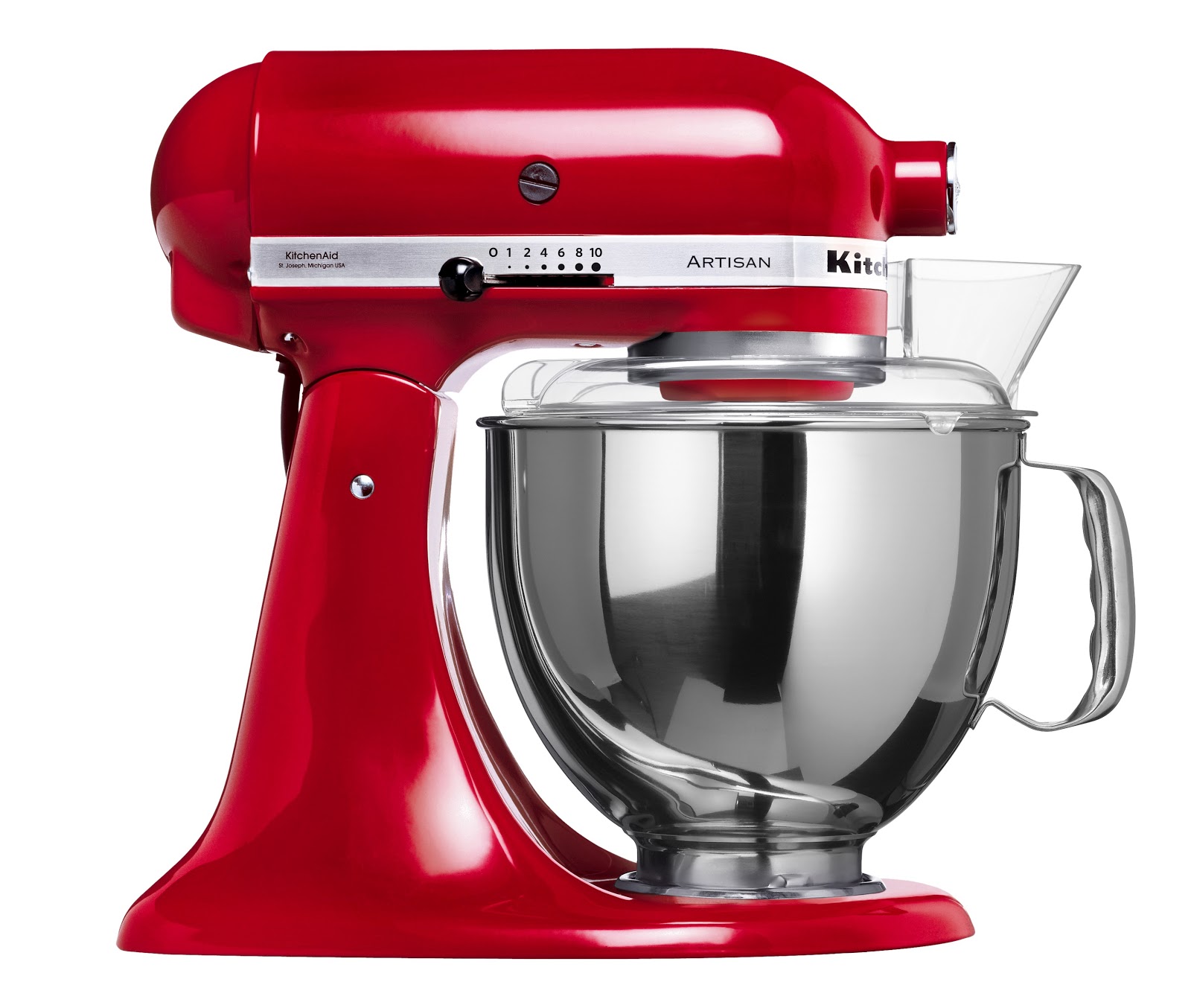
kitchenaid uxIn my spare time I love baking (I love eating cakes), I run a local baking club and I absolutely love KitchenAid products. I love the industrial user-centred design and the attention to ease of use. So, for the Keep It Usable blog this month, I decided to interview my friend Brandon Satanek who is the UX manager at Whirlpool.

Not only is Brandon a great guy, but his knowledge and passion for UX is something you should learn from. If you’re unsure how UX can benefit your business, Brandon will reassure you with some fantastic examples. I especially like his example of how Whirlpool created innovative product concepts simply by sending their researchers into people’s homes to observe them doing their laundry and interviewing them.

After seeing people adopt rather uncomfortable postures, an idea was developed to create a platform to raise the products to a more convenient height…it shows how contextual user research can lead to user-centered innovations that directly impact the bottom line.

There are several names for this type of research; ethnographic, contextual inquiry, in-context. It’s my personal favourite style of research as you gain true insights into the user and their behaviour. Have you ever stepped into a strangers home and been able to make instant judgements on their personality, hobbies, interests, activity levels, family life that turned out to be accurate? Research has suggested that these judgements we make, which are based on our experience of life and people so far, are often accurate. If you’re interested to know more, I recommend reading Sam Gosling’s book Snoop: What your stuff says about you.

Many UXers shy away from contextual research as it is true research that requires a certain level of skill, and a lot of people who conduct usability testing aren’t specialist researchers.

Research conducted in the context of use is imho the best you can get. You will find out rich information and behavioural insights giving you those ‘why didn’t we think of that!’ moments that just can’t be gained through lab testing.

Read my interview with Brandon, it may just change your business…

Information Architecture (IA)

Have you ever been to a website specifically to look for something and no matter how hard you look you just can’t find it? Most people will give up within a few seconds, hit the back button and go to a competitor. This is why your Information architecture is incredibly important – get it right and you will keep more people within your site, lowering your bounce rate and improving your conversion.

What is information architecture?

In simple terms, it’s about structuring your content to feel intuitive and logical to the end user.

An example of how not to do it

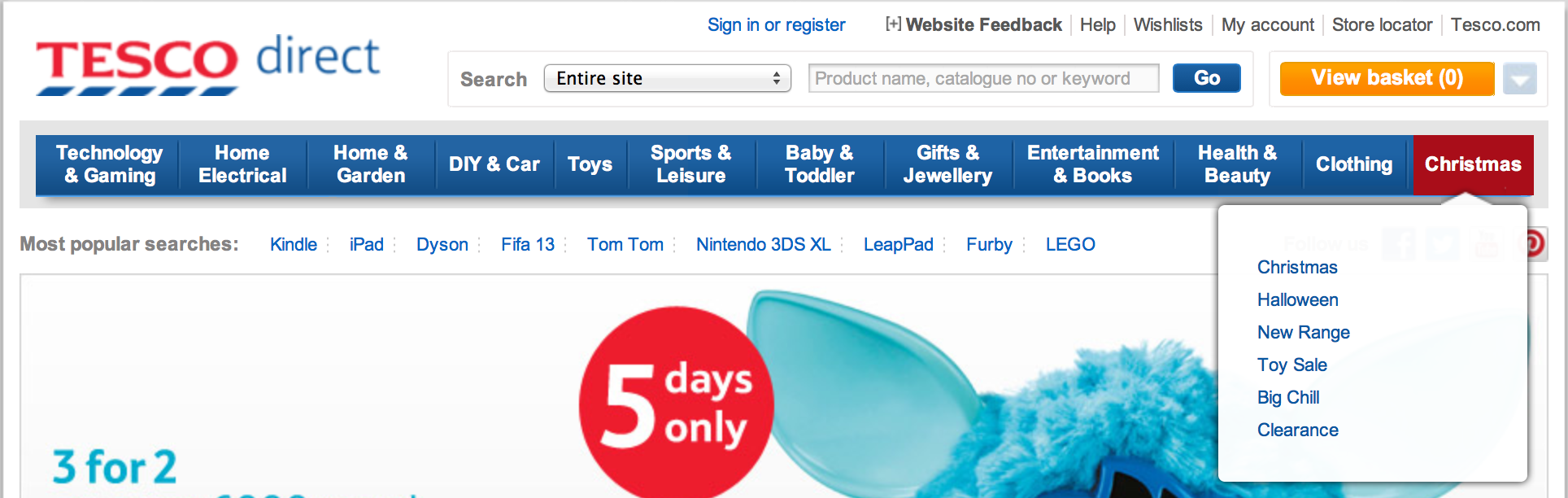
Tesco Direct have placed Halloween items within the heading ‘Christmas’ on the navigation bar. Users will struggle to find this as it makes no logical sense – halloween and christmas are completely separate occasions.

tesco ux usability

If a visitor to your website has the intention of browsing halloween things, they will already have expectations of where halloween things will be. Your aim is to try to understand their expectations of where they’ll find halloween related products. Only when you understand this, can you position it in the optimal place.

Card Sorting to create intuitive IA

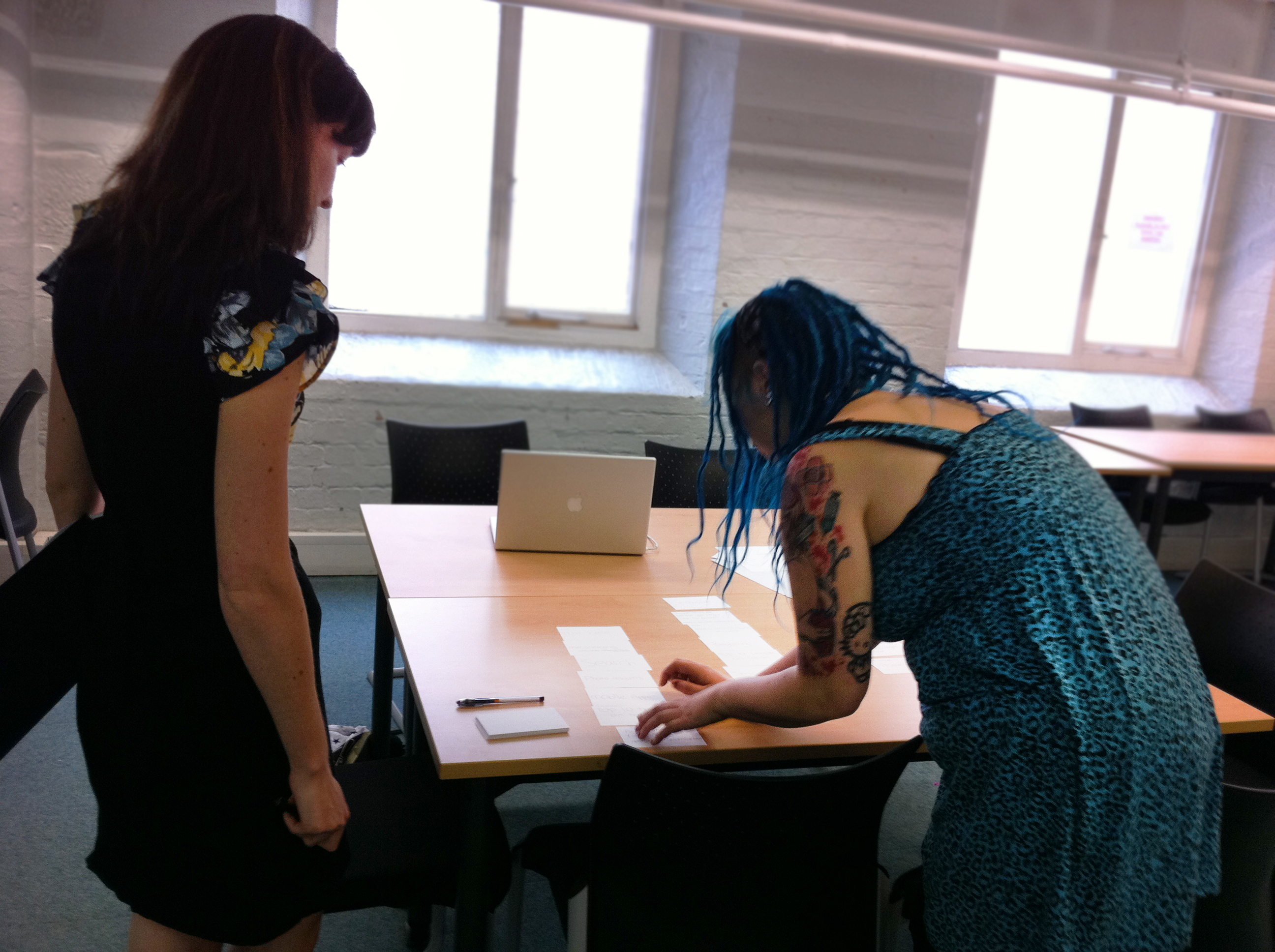
One of the methods I employ to help create intuitive Information Architecture is Card Sorting. It’s an activity carried out with users (i.e. your target audience) using labelled cards to group and organise pages of content. Users categorise the pages in the way that makes sense to them and they can use existing grouping or create their own. What this enables us to do is to see the structure of your site or software from the user’s point of view – we can see and understand their mental model.

Card sorting exercise in action:

card sorting with userIf you’d like to understand more about how reviewing your IA can help your business or if you’re curious about card sorting please don’t hesitate to get in touch.

user experience (ux) design and usability testing agency